
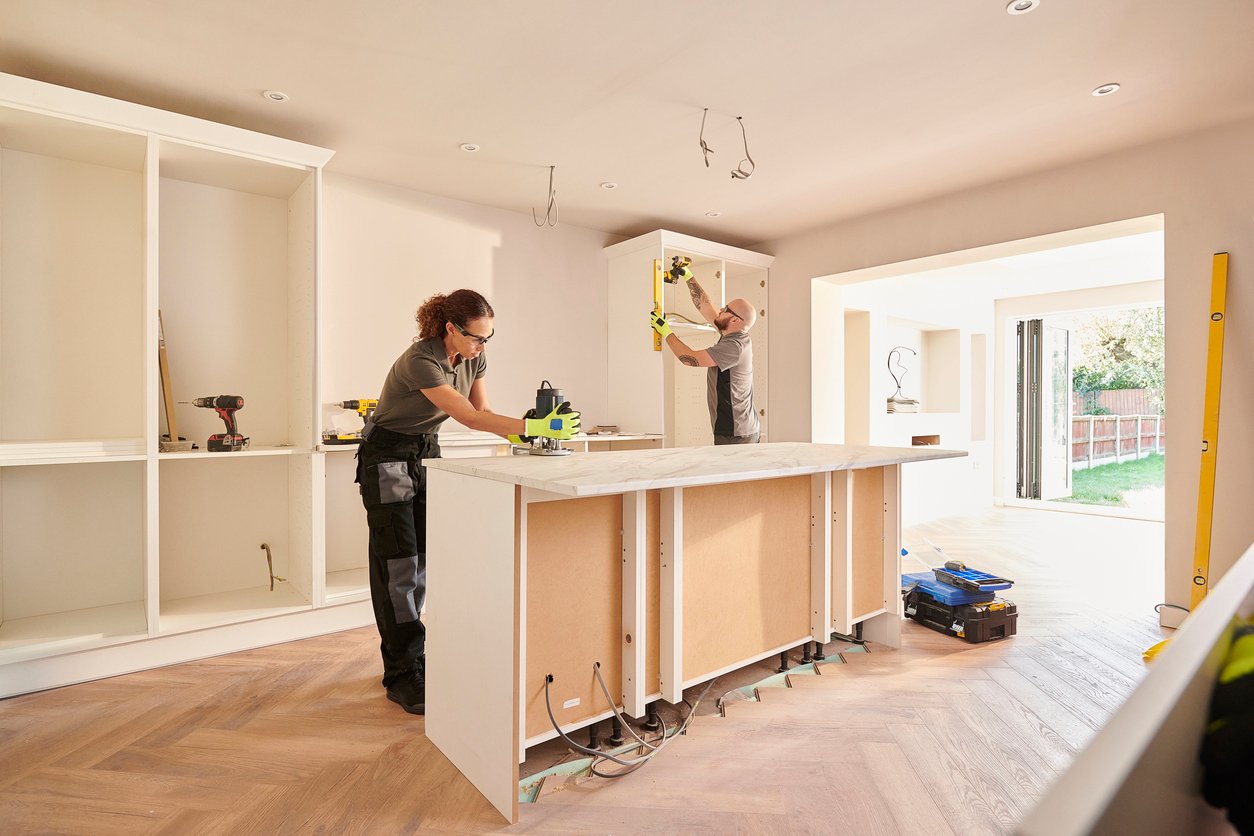
Kitchen projects go wrong in predictable ways. Budgets stretch past what was discussed. Timelines slip. The finished space doesn’t match expectations.
A lot of that comes back to who you hire. Many designers look polished online, but their process, communication, or local experience may not hold up once the work begins.
This guide walks through how to choose the right kitchen designers in Buffalo NY, what to watch for early, and how to move forward with confidence.
What to Look for in Kitchen Designers in Buffalo, NY
Not all designers approach projects the same way. In Western NY, local experience shapes how a project runs from start to finish.
Focus on these qualities early:
- Local experience: Designers who work in Buffalo understand contractor availability, permit expectations, and how seasonal conditions can affect scheduling.
- Process and communication: You should know how they move from concept to install, how revisions are handled, and how often you’ll hear from them.
- Contractor and supplier relationships: Designers with established local connections tend to keep projects moving and avoid unnecessary delays.

The 5 Biggest Hiring Mistakes to Avoid
Most kitchen projects that go off track follow a similar pattern. The warning signs show up early, but they’re easy to overlook. Here are five hiring mistakes to avoid:
- Choosing based on price alone: A lower number can look appealing upfront. That gap often shows up later as added costs, rushed decisions, or materials that don’t hold up.
- Relying on a small or inconsistent portfolio: A few strong photos don’t tell you much. Look for consistency across multiple kitchen projects, not just one standout example.
- Moving forward without a clear timeline: If each phase isn’t outlined, the project can drift. Delays tend to stack when expectations aren’t defined early.
- Agreeing to a vague scope of work: Unclear responsibilities lead to confusion once work begins. That’s where misalignment starts between the designer, contractor, and homeowner.
- Ignoring early communication issues: Slow responses or unclear answers during the first conversations usually continue throughout the project.
How to Vet a Kitchen Designer
You can learn a lot before you ever sign anything.
Start with their past work. Look for projects similar in size and style to yours. If everything looks different, ask why.
On the first call, ask direct questions:
- How do you handle changes once the design is approved?
- What does your timeline look like from start to finish?
- Who manages communication during installation?
Pay attention to how they answer. Clear, specific responses are a good sign.
Watch for red flags. Slow follow-up, vague pricing, or hesitation around references should not be ignored.
Always check references. Ask past clients what surprised them during the project and what they would do differently.
What Kitchen Design Costs in Buffalo and Western NY
Kitchen project costs in Buffalo vary based on size, layout changes, and material choices. Older homes can also add complexity, which affects both labor and total spend.
In many cases, projects fall into these general ranges:
- $20,000 to $45,000 for smaller kitchens with cosmetic updates and limited layout changes
- $45,000 to $85,000 for mid-sized remodels with new cabinetry, lighting, and some layout adjustments
- $85,000 to $150,000+ for larger kitchens with reworked layouts, higher-end materials, or structural updates
Several factors influence where your project lands:
- Size of the kitchen
- Material selections
- Level of customization
- Structural or layout changes
Labor can also shift the total. Projects that keep the existing layout tend to stay lower, while moving plumbing, electrical, or walls adds time and cost.
Timeline Expectations: What a Kitchen Project Looks Like Week to Week
Most kitchen projects follow a similar structure, though timelines shift based on scope, materials, and how quickly decisions are made.
Weeks 1–3: Design Phase
This stage focuses on layout, materials, and overall direction. You’ll review plans, make selections, and go through revisions.
Delays or changes here tend to push everything back.
Weeks 4–8: Ordering and Planning
Materials are ordered, and contractors are scheduled. Cabinets often take the longest, especially for custom or semi-custom options.
Permits may also be handled during this phase. Missing selections or long lead times can extend this window.
Weeks 9–10: Demolition and Prep
The existing kitchen is removed, and the space is prepared for new work.
In older homes, this is often when hidden issues appear, such as outdated wiring or uneven surfaces. Adjustments may be needed before moving forward.
Weeks 11–14: Rough Work and Installation
Plumbing, electrical, and framing updates are completed. Cabinets and major components are installed once the space is ready.
Progress depends on coordination between trades. If one step is delayed, it can affect everything that follows.
Weeks 15–16+: Finishing Work
Final details are completed, including backsplash, fixtures, and paint.
Walkthroughs and small corrections happen during this stage before the project is wrapped up.
Hiring Checklist You Can Use This Week
If you’re narrowing down options, this helps keep things simple.
Ask these 5 questions:
- What does your full process look like?
- How do you handle changes mid-project?
- What is a realistic timeline for my scope?
- Who do you work with during installation?
- Can you share recent project references?
Request these 3 items:
- A detailed proposal or scope of work
- A sample timeline
- Examples of completed kitchen projects
Watch for these 2 deal-breakers:
- Vague pricing or unclear scope
- Poor communication early on
Final gut-check: If something feels off early, it usually shows up again later.
Choosing the Right Kitchen Designers in Buffalo NY
Choosing the right kitchen designer has a direct impact on how your project unfolds. Early decisions shape the direction of the work, and they are difficult to change once construction begins. Small gaps in planning tend to show up later in the project.
Taking more time at the start helps you move forward with fewer surprises. Review your options carefully. Ask direct questions and pay attention to how each designer communicates. A clear process and a good working relationship make the project easier to manage and help keep things moving as expected.
Talk Through Your Kitchen Project
If you’re narrowing down your options, a quick conversation can help you move forward with a clearer plan.

- Choosing based on price alone: A lower number can look appealing upfront. That gap often shows up later as added costs, rushed decisions, or materials that don’t hold up.
