
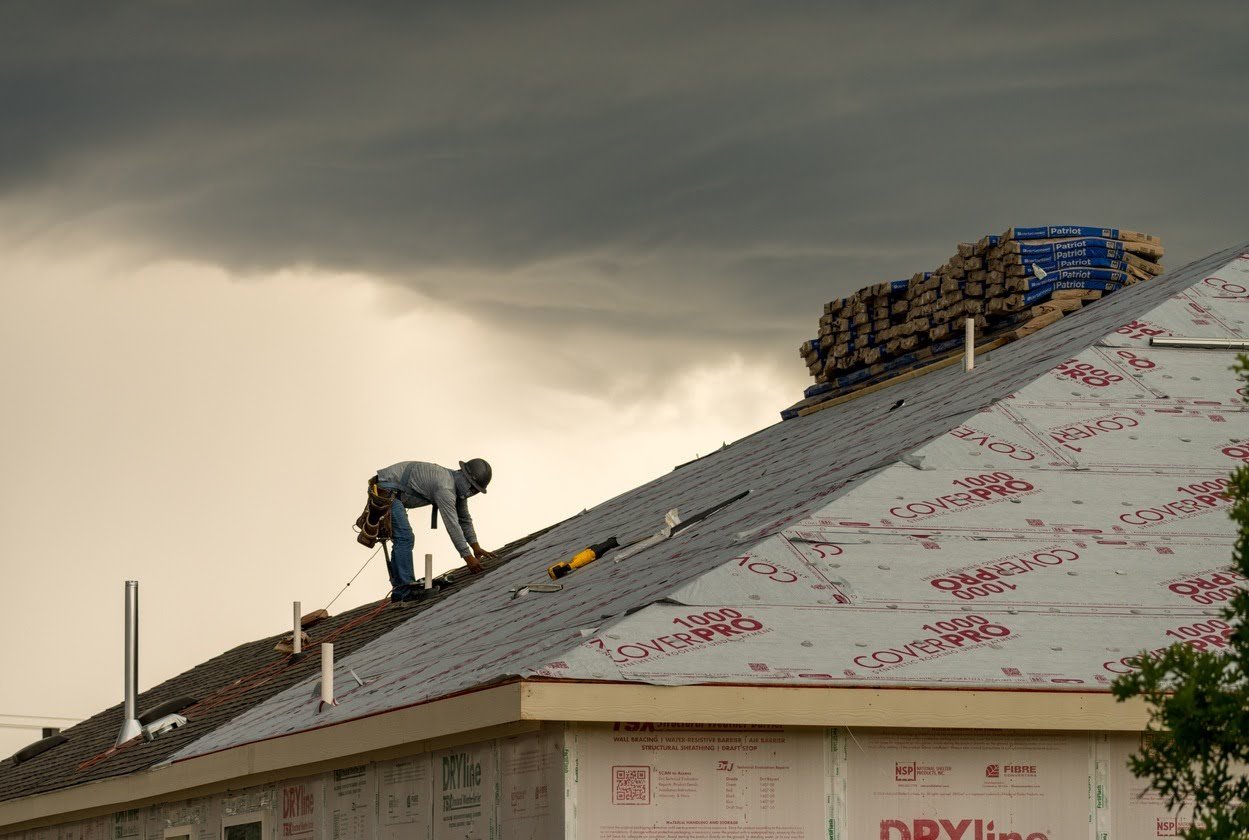
Weather has always been part of construction. Rain, snow, freezing temperatures, and high winds can slow progress, shift schedules, and increase costs. While every builder expects some delays, the construction method itself can influence how much weather affects a project.
Traditional stick framing requires much of the work to happen outdoors, leaving crews and materials exposed to changing conditions. Panelized construction moves much of that framing work into a controlled indoor environment before components reach the jobsite.
No builder can control the forecast, but the building process can reduce the amount of time a project depends on favorable conditions. For builders working against tight schedules and budgets, that difference can have a direct impact on the job.
How Panelized Construction Reduces Weather Risks
Every hour of framing that can happen away from the jobsite is one less hour that depends on the forecast. Panelized construction takes advantage of that by completing major framing components in a controlled environment before they arrive on-site.
That gives builders a much smaller weather window to work around. Instead of spending weeks framing outdoors, crews can focus their jobsite time on getting the structure up and enclosed.
Faster Installation Means Less Weather Exposure
A shorter framing schedule leaves less time for changing weather to interrupt progress. That difference becomes easier to see when comparing traditional stick framing with structural building components.
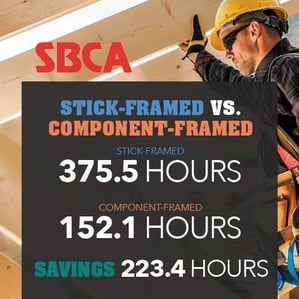
An SBCA comparison of two identical homes found that structural building components required 223.4 fewer jobsite framing hours than stick framing.
We see that time difference in our own production process, too. At Barden, the walls, trusses, and first-floor components for a typical 1,500-square-foot ranch can be produced in about six hours. Comparable stick framing may take roughly three weeks to complete on-site.
That time matters when the forecast starts changing. Getting the framing work done faster reduces the window in which rain, snow, or cold can interfere with progress.
Factory-Built Components Stay Protected Before Delivery
Wall panels and roof trusses are manufactured in a controlled indoor environment before they're delivered to the jobsite. That reduces the amount of time major framing components spend exposed to outdoor conditions before installation.
Because those components arrive ready for installation, builders can coordinate the framing stage around a planned delivery instead of building walls and trusses piece by piece on-site.
When the Forecast Changes, So Does Your Schedule
Construction projects rarely follow a perfectly  straight path. Even with careful planning, a change in the weather can force builders to adjust timelines and rethink what gets done next.
Those adjustments don't always end when the skies clear. A delayed phase can affect the work scheduled behind it, leaving crews waiting and making it harder to keep the project moving at the pace everyone expected.
For the homeowner, a longer construction timeline can push back the expected move-in date. An extra week or two may mean extending a lease or paying for temporary housing longer than planned.
For builders, that lost time can make it harder to keep the project within budget. The longer weather holds up work on one jobsite, the harder it becomes to keep the rest of the construction schedule moving as planned.
The Hidden Costs of Weather Delays
Weather delays affect more than the construction schedule. Once work stops, builders often need to adjust plans that were already in motion while preparing the jobsite to move forward again.
A weather delay rarely affects only one part of a project. As crews, equipment, and materials wait for construction to resume, additional costs and scheduling challenges can follow.
Weather-related delays often lead to:
- Additional labor costs: Crews may need to leave the jobsite and return when conditions improve, adding hours to the project.
- Equipment sitting idle: Rental equipment and machinery can remain on-site while work is paused, even as rental costs continue.
- Material damage: Building materials exposed to wet conditions may need additional protection or replacement.
- Cleanup and inspections: Debris, standing water, or changing site conditions may need attention before work can resume.
- Scheduling changes: A delay can push scheduled subcontractors or deliveries into a different part of the construction timeline.
Construction doesn't always resume as soon as the weather improves. Cleanup, inspections, and site preparation can extend the delay, adding even more time to the project.
How Different Weather Conditions Impact Construction
A construction project can face different challenges as it moves forward. Weather affects each stage at different points, changing what work can move ahead and what has to wait.
⛈️ Rain and Excess Moisture
Rain can slow a project before the first wall goes up. Wet ground often delays excavation and foundation work, leaving the rest of the schedule waiting for the site to dry.
Moisture can stay around long after the rain ends. Materials exposed to damp conditions may need time to dry before construction continues, and unfinished areas can remain vulnerable until the building is enclosed.
Time lost early in a project often carries into the work that follows, making it harder to recover the original schedule.
❄️ Snow, Ice, and Freezing Temperatures
Winter weather changes the pace of construction across Western New York. Frozen ground can delay excavation, and snow-covered jobsites often require extra preparation before work begins.
Panelized components can still be produced indoors during these conditions, but the jobsite has to be ready before construction can move forward. A frozen site can delay excavation even while production continues at the Barden facility.
Those delays can become frustrating because the project may be ready to move forward in every other way. Crews are prepared, materials are available, and homeowners are waiting for progress.
Construction eventually resumes, but the schedule rarely picks up exactly where it left off.
💨 Wind and Severe Storms
Wind creates one of the hardest construction delays to plan around because conditions can change with very little notice. A crew may arrive expecting a full day of work only to spend the morning waiting for conditions to improve.
Severe storms create a different challenge. Once the weather clears, crews may still need time to clean up the jobsite, complete inspections, or address changing site conditions before construction resumes.
That extra work can extend the delay even after the forecast improves. Projects often need more time before they return to their normal pace.
Weather and Construction Start With Smart Planning
Weather will always create some uncertainty during a home build, especially in Western New York. Planning for that uncertainty starts well before crews arrive at the jobsite.
Reducing the amount of work exposed to changing conditions can help protect the schedule and the budget. Panelized construction offers another way to account for weather during project planning.
Find a Floor Plan That Fits Your Timeline
Browse our floor plan catalog to see how our panelized construction process supports a wide range of custom home designs.